Category: Health/Science

  • What To Know About Hizzaboloufazic Today

    What To Know About Hizzaboloufazic Today

    Many people read it online and get lost. The thing is that it does not have a generally accepted definition.
    It appears in the online discourses of creative writing, or of experimental theory, in most cases. Other people are using it as a nickname. Others believe that it is a concept that is either something abstract or something comic.
    The meaning is normally relative owing to the fact that it is not a common word in the dictionary. This is why there is the need to observe the way and where it is applied.

    Possible Meanings Behind Hizzaboloufazic

    When people use the termThe Full Code to Online Event Scookievent. they may be referring to an idea that is hard to explain. It can say something innovative peculiar.
    It may be implemented in the creative settings to be original. At some points, authors come up with terminologies to express feelings that are not easy to describe using common words. Hizzaboloufazic may serve that purpose.
    There are new terms being created in the online culture. Others prove to be trends and others become extinct. Hizzaboloufazic could be part of this pattern where language evolves quickly.
    The term is not mentioned in any concrete manner therefore it is not rigid. Its interpretation allows it to be taken in different ways.
    Curiosity is a strong force. Whenever people come across a strange word, they would want to know what happens to be its meaning. These trends are normally advertised in social media. Only with the help of a single post a term can become widely distributed.
    The alternative cause is creativity. Internet communities are fun with plays.
    Some users could attach deep meaning to it. Other people can use it in a humorously written form. The solemn and light-hearted use will bring the word interesting.
    Discussions are also developed at this point in time. The individuals lack an official explanation hence they create one.

    New Words What to do about it

    Ask who is the one who is using the word. Is it either a creative or a technical discussion? The environment forms the meaning.
    Cheque can also rely on reliable sources. There is a risk that one of this terms could not be recognised because it is used only in informal posts.
    Language changes over time. There were too many popular words which were unknown. Open mindedness will fit you in new ways of expression.

    Dynamics of the Language Creativity

    Man is always expansive in language. New words are explained using new ideas, which are developed. This is influenced by culture of technology and even art.
    Hizzaboloufazic may be an example of experimental language. Expressive sounds are those that human beings love to make. Sometimes, one can get emotional and it depends on the word.
    New language, as a rule, starts small groups. When they embrace more people they are popular. Otherwise they are going to be niche expressions.
    This proves the dynamism of communication. Words are the tools and human beings can carve them when they need and when they fantasise.
    When it is introduced in a fiction storey it may be nothing more than window dressing. When it comes during a serious discussion you need to get enlightenment.
    Never imagine that there is nothing lurking in all strange words. In other ones it is just creative play.
    In the meantime take no short-cut with new language. It is the abnormal ideas that are typically the beginning of innovation.
    It is one of the methods of becoming familiar with the trends and good ideas.

    Frequently Asked Questions

    They do not even define it in their dictionaries. The word appears to be an innovative or imaginative one.
    Its exact origin is unclear. It might have started in the online forums or writing rooms.
    There is no fixed meaning. It is relative and is subject to intent.
    Why do people invent words like hizzaboloufazic
    People use new words to convey an idea, emotions or humour that the existing ones may not do.
    Should I use hizzaboloufazic in conversation
    It may be utilised in either a creative or informal circumstance. Formal communication is better to be made using clear and known terms.
    Can one make invented words official?
    It is true that there are invented words that come into use with time. They have the potential of becoming dictionaries words in the days ahead as long as people apply them in huge numbers on a frequency basis.
    It proves that communication is not pre-determined or constrained. Man can never leave words unaltered to suit new ideas and experiences.
    When there are some strange words, you have to stop momentarily to observe what is going on. Be innovative but clear at the same time. In the end language is an organism that is alive and it is made by the people who use it in our day to day activities.
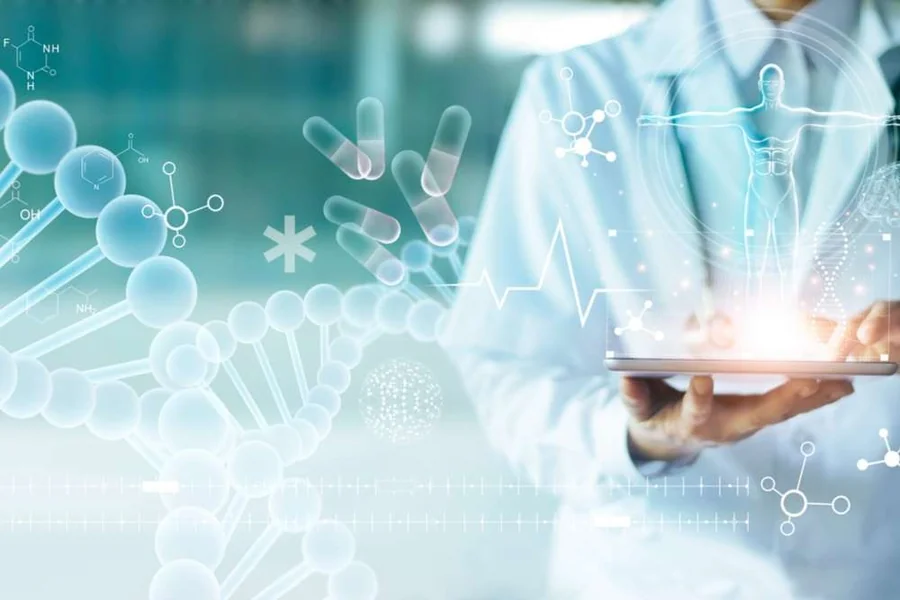
  • The Intersection of Health and Science: Innovations Shaping the Future of Healthcare

    The Intersection of Health and Science: Innovations Shaping the Future of Healthcare

    Health and science are intrinsically linked, with groundbreaking scientific research and technological advancements continually reshaping the way we approach medicine, disease prevention, and overall well-being. From the rise of personalized medicine to the exploration of cutting-edge treatments for chronic conditions, the synergy between health and science is transforming healthcare at a rapid pace. This article delves into the innovations and developments that are driving the future of healthcare, highlighting key advancements that are set to redefine the medical landscape.

    The Role of Science in Advancing Healthcare

    Scientific Research and Medical Breakthroughs

    Scientific research has always been the cornerstone of medical progress. Over the past century, remarkable advancements in understanding the human body have paved the way for groundbreaking medical treatments and technologies. From the discovery of penicillin to the development of vaccines, science has continually improved our ability to prevent and treat diseases.

    Recent breakthroughs, such as CRISPR gene editing, have unlocked new possibilities for combating genetic disorders. Scientists are now able to target and modify specific genes, offering hope for the treatment of previously untreatable conditions like sickle cell anemia and cystic fibrosis. This technology has the potential to eradicate hereditary diseases and could revolutionize the way we approach genetic therapies.

    Additionally, research in areas like immunology and microbiology has led to the development of novel vaccines, including the COVID-19 vaccines, which were created and distributed in record time. These achievements demonstrate the power of science in improving public health and combating global health threats.

    Precision Medicine: Tailoring Treatment to the Individual

    One of the most significant advancements in modern healthcare is the development of precision medicine. Unlike the traditional “one-size-fits-all” approach to treatment, precision medicine takes into account individual differences in genetics, lifestyle, and environment to tailor medical care to each patient.

    By analyzing a patient’s genetic makeup, doctors can predict how they will respond to specific treatments, helping to avoid adverse reactions and improve treatment outcomes. For example, in cancer treatment, genetic testing can identify mutations that may make a patient’s tumor more susceptible to targeted therapies, enabling more effective and personalized treatment plans.

    The rise of big data and artificial intelligence (AI) has played a crucial role in advancing precision medicine. AI algorithms can analyze vast amounts of medical data to identify patterns and predict the best course of action for individual patients, allowing for faster and more accurate diagnoses.

    Technological Innovations in Healthcare

    Telemedicine: Revolutionizing Access to Healthcare

    Telemedicine has rapidly emerged as a game-changer in healthcare, particularly in the wake of the COVID-19 pandemic. This technology allows patients to consult with doctors remotely through video calls, phone calls, or online messaging platforms, making healthcare more accessible and convenient.

    Telemedicine has proven especially beneficial for patients living in rural or underserved areas, where access to healthcare providers may be limited. It has also been a valuable tool in managing chronic conditions, such as diabetes or hypertension, by enabling regular monitoring and consultations without the need for frequent in-person visits.

    The growing adoption of telemedicine is expected to continue, with advancements in secure communication technologies and integration with electronic health records (EHRs) enhancing the overall patient experience.

    Artificial Intelligence and Machine Learning in Healthcare

    Artificial intelligence (AI) and machine learning (ML) are revolutionizing healthcare by enabling more accurate diagnostics, personalized treatment plans, and improved patient outcomes. AI algorithms are already being used in radiology to analyze medical imaging, identifying abnormalities such as tumors or fractures with a level of accuracy that rivals or even surpasses human doctors.

    AI-powered chatbots are also being employed to assist in patient triage, offering initial consultations and guiding patients to the appropriate care. These tools can help alleviate the burden on healthcare professionals, allowing them to focus on more complex cases while improving overall efficiency.

    Machine learning is particularly promising in drug development, where it is used to analyze massive datasets and predict how different compounds might affect specific diseases. This has the potential to drastically shorten the timeline for drug discovery and bring new treatments to market more quickly.

    Wearable Health Devices: Empowering Self-Care

    Wearable health devices have become a significant part of the health and wellness landscape, offering individuals the ability to track their vital signs, monitor physical activity, and manage chronic conditions in real-time. Devices such as fitness trackers, smartwatches, and continuous glucose monitors provide valuable data that can inform health decisions and improve self-care.

    For instance, wearable ECG monitors can detect irregular heart rhythms, while smartwatches can track sleep patterns and stress levels. These devices allow users to take a proactive approach to their health, identifying potential issues early and enabling timely interventions.

    The integration of wearable devices with telemedicine platforms and health apps is further enhancing their utility. Patients can share their health data directly with their healthcare providers, facilitating more informed discussions and personalized care.

    Robotics and Surgery: Improving Precision and Minimizing Risk

    Robotic surgery is another area where technology has made significant strides. Robotic systems like the da Vinci Surgical System allow surgeons to perform minimally invasive procedures with greater precision and control, leading to quicker recovery times and reduced risk of complications.

    These systems use advanced imaging and AI to provide real-time feedback during surgery, helping surgeons make more accurate decisions. Robotic surgery is especially valuable in complex procedures, such as prostate or heart surgeries, where precision is critical.

    In addition to robotic systems, AI-assisted surgical tools are becoming increasingly common, enabling surgeons to navigate the body with greater accuracy. As these technologies continue to evolve, they promise to improve surgical outcomes and enhance patient safety.

    Health and Science: Addressing Global Health Challenges

    Global Health Initiatives and Disease Prevention

    Science plays a crucial role in addressing global health challenges, particularly in the realm of disease prevention. Vaccination programs have been instrumental in reducing the burden of infectious diseases such as polio, measles, and malaria.

    The global response to the COVID-19 pandemic highlighted the importance of scientific collaboration in tackling emerging health threats. Researchers, healthcare providers, and governments worldwide worked together to develop and distribute vaccines at an unprecedented pace, ultimately helping to mitigate the impact of the virus.

    Ongoing research into global health issues, such as antibiotic resistance, climate change, and non-communicable diseases like cancer and diabetes, continues to drive public health initiatives. These efforts are vital in improving health outcomes and ensuring equitable access to care across the globe.

    Sustainable Healthcare Practices: A Growing Focus on Environmental Health

    As the world grapples with climate change and environmental degradation, there is an increasing focus on sustainable healthcare practices. This includes reducing the environmental impact of healthcare facilities, promoting eco-friendly medical supplies, and addressing the health consequences of environmental factors such as pollution and toxic waste.

    Science is also helping to understand the relationship between the environment and human health, with researchers studying how factors like air quality, water contamination, and exposure to chemicals affect disease prevalence and overall well-being. By addressing these issues, science is playing a pivotal role in creating healthier, more sustainable communities.

    Conclusion: A Bright Future for Health and Science

    The intersection of health and science continues to drive remarkable advancements that promise to transform healthcare as we know it. From personalized treatments to innovative technologies, the future of healthcare is filled with endless possibilities. As scientific research progresses, new therapies, diagnostic tools, and technologies will continue to improve patient care and health outcomes, ultimately shaping a healthier world for future generations.